Padstow Dental | 14 Howard Road, Padstow NSW | 02 9773 4775
Knowledge Base
A deep dive to help you understand your personal dental journey.
- General Dentistry
- Dental Implants
- Restorative Dentistry
- Preventative Dentistry
- Cosmetic Dentistry
- Orthodontics
- Dental Sedation
- Technology

Dental Knowledge Base
A comprehensive library of dental treatments, issues and solutions to help you understand your individual pathway to dental health.
Explore & Learn
Explore the PD Knowledge BaseWisdom Tooth Removal
Personalised and safe wisdom tooth removal surgery where your comfort comes first.
Wisdom teeth are frequently problematic due to their tendency to become impacted resulting in various symptoms. These symptoms include pain, swelling, decay, crowding of teeth, bad breath, and food impaction. It is important to monitor your wisdom teeth as impacted wisdom teeth also carry the risk of developing cysts and damaging other teeth if not dealt with promptly enough. It is recommended that you consult a professional about removing your wisdom teeth if they begin to cause discomfort or pain.

We offer
- Treatment under IV Sedation
- No pain
- Personalised care
- No referral required.
- On site 3D Xray imaging for assessment
The prospect of having wisdom teeth removed is frequently a very daunting one for most people. Our premises and facilities allow for the trouble-free and painless removal of simple or complex wisdom teeth safely under the comfort and security of IV sedation in the privacy of our rooms.
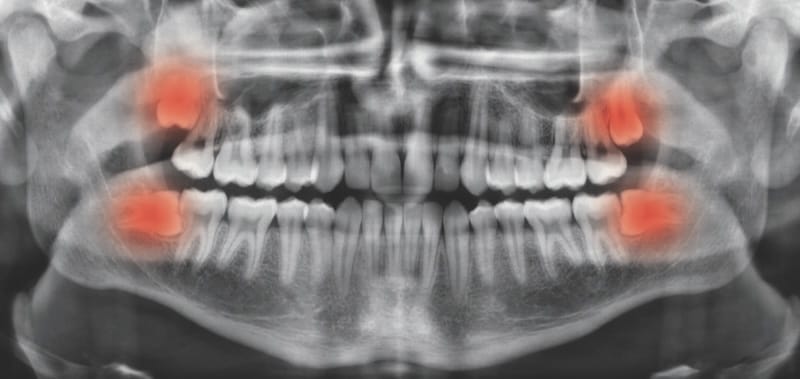
In conjunction with Padstow Dental and Dr Bill Kalis, your care will be highly personalised, and your comfort placed first. We have imaging facilities onsite to allow for proper assessment. Most removal procedures, inclusive of sedation, take on average approximately an hour, after which you are discharged. No referral is necessary. We welcome new patients whether you’d like to book with us directly or have been recommended by a friend or other practitioner.
How it works
Wisdom teeth removal is a common dental procedure that can alleviate pain and prevent future complications. Our process begins with an initial consultation where we thoroughly examine your wisdom teeth, utilizing advanced techniques such as 3D X-ray imaging. During this consultation, we discuss the best course of action based on your specific needs and the complexity of the extraction.
For straightforward cases, removal can often be performed under local anaesthesia, ensuring minimal discomfort. However, for more complex extractions, we may recommend intravenous (IV) sedation to enhance comfort and relaxation during the procedure. Rest assured, our team will make all necessary arrangements to ensure a smooth and stress-free experience, guiding you through every step of the process with care and expertise.
Ready to take the next step with your wisdom teeth?
If you have any questions, or you’re ready to book an appointment, our friendly team at Padstow Dental is here to help.
We look forward to helping you achieve a comfortable, confident smile.
What are wisdom teeth?
Wisdom teeth (third molars) are the last set of molars to develop, usually emerging in the late teens or early twenties. They were once helpful for our ancestors, who needed the extra chewing power for tougher diets. Nowadays, many people do not have enough space in their jaw to accommodate wisdom teeth properly, which can lead to crowding or other dental issues.
How do I know if I need my wisdom teeth removed?
Not all wisdom teeth require removal. You may need an extraction if:
- They are impacted (i.e., they do not fully emerge or are trapped under the gum or bone).
- They are causing crowding or shifting of other teeth.
- They are partially erupted and prone to infection, decay, or gum disease. Padstow Dental will evaluate your teeth, often with the help of x-rays and other imaging techniques, to determine if extraction is necessary.
What are impacted wisdom teeth?
An impacted wisdom tooth is one that doesn’t have enough room to fully emerge or develop normally in the mouth. It may grow at an angle, pressing against neighbouring teeth, or remain trapped in the jawbone. Impacted wisdom teeth can lead to pain, infections, cysts, and other complications if left untreated.
What are the signs and symptoms of problematic wisdom teeth?
Common signs include:
- Pain, tenderness, or swelling in the back of the mouth.
- Red, swollen, or bleeding gums in the area behind the second molars.
- Jaw pain or stiffness.
- Bad breath or an unpleasant taste in your mouth.
- Headaches or earaches (as referred pain).
If you experience persistent discomfort or suspect an issue, contact Padstow Dental.
At what age should I have my wisdom teeth evaluated?
We often begin monitoring wisdom teeth around the mid to late teens (15–19 years old). By the time a patient is in their early twenties, it’s usually clear whether the wisdom teeth will have enough space or if they will cause problems. Regular dental visits will help determine the best time for possible extraction, if necessary.
What is the procedure for removing wisdom teeth?
Extraction typically involves:
- Anaesthesia: You may receive local anaesthesia, sedation, or general anaesthesia, depending on the complexity of the extraction and your comfort level.
- Incision: We may make a small incision in the gum to access the tooth.
- Bone Removal or Tooth Sectioning: If the tooth is impacted, some bone may be removed, or the tooth might be sectioned (divided into smaller parts) to facilitate extraction.
- Extraction and Stitches: The tooth is removed, and the area may be stitched closed to promote healing.
Does wisdom tooth extraction hurt?
You won’t feel pain during the procedure if you’re properly numbed or sedated. You may experience pressure or mild discomfort as the tooth is loosened. After the extraction, mild to moderate pain and swelling are normal as part of the healing process. We will prescribe or recommend appropriate pain management strategies.
How long is the recovery period after wisdom tooth removal?
Most people need about 1–2 weeks for initial healing. You may experience swelling, soreness, or slight bruising, especially during the first few days. By following your aftercare instructions (e.g., resting, avoiding strenuous activities, and eating soft foods), you can recover more quickly. Complete healing of the jawbone may take several weeks to a few months.
What can I eat after a wisdom tooth extraction?
For the first 24–48 hours, it’s best to stick to soft or liquid foods such as:
- Smoothies or milkshakes (avoid using a straw to prevent dry socket)
- Broths or soups
- Applesauce or yogurt
- Mashed potatoes or scrambled eggs
Gradually introduce firmer foods as you heal. Avoid crunchy, hard, or chewy foods that could irritate the extraction site.
What is dry socket, and how can I prevent it?
Dry socket (alveolar osteitis) occurs when the blood clot at the extraction site is dislodged or dissolved before the wound can heal, exposing the underlying bone and nerves. This can lead to severe pain and delayed healing. To prevent dry socket:
- Avoid using straws or spitting vigorously for the first few days.
- Don’t smoke or use tobacco products.
- Follow Padstow Dental’s instructions regarding mouth rinses and care.
Can I smoke or use a straw after wisdom tooth removal?
It’s strongly advised to avoid smoking and straw use for at least 3–7 days after surgery because the sucking motion can dislodge the blood clot, leading to dry socket. If you must smoke, wait as long as possible and ask us for tips on reducing risks.
Will I be awake during the procedure?
It depends on the anaesthesia option you choose in consultation with us. Some patients are comfortable with local anaesthesia and remain awake but numb, while others opt for sedation or general anaesthesia to sleep through the entire procedure. We will discuss the best option for your health, comfort level, and the complexity of the extraction.

Location
14 Howard Road, Padstow NSW
1 minute walk from Padstow Station
Easy parking


Practice Hours
Mon, Tues, Wed 9.00am – 5.30pm
Thu, Fri 8.30am – 5.00pm